
Container Shipping
Container Shipping
Dry, reefer, open-top, flat-rack, and high-cube equipment with depot control from reservation through empty return.
Service overview
How we handle Container Shipping
Equipment is a product, not an afterthought. We match dry vans, high-cubes, reefers, open-tops, and flat-racks to the cargo, then track the box through depot, load, and empty return. Before the booking is placed we confirm payload, internal dimensions, and any out-of-gauge survey. Reefer setpoints, pre-trip inspection, and power availability are written into the file so the consignee is not discovering problems at destination. Container numbers, seal numbers, and depot references sit with the shipment. Empty-return instructions are issued with the delivery so detention does not accumulate in silence.

Ideal for
- Regular FCL shippers
- Temperature-controlled cargo
- OOG cargo that still fits special equipment
What is included
- Equipment reservation
- Depot liaison
- Container and seal capture
- Empty-return instruction
- Detention alerts
Benefits
- Equipment advice before the booking is placed
- Dry, high-cube, reefer, open-top, and flat-rack options
- Reefer setpoint and PTI handling
- OOG survey coordination where required
- Depot positioning and empty-return control
- Seal, container, and detention visibility on the file
Process
-
Step 1
Confirm commodity and packing
Weight, cube, temperature, and whether the cargo can travel in a closed box.
-
Step 2
Reserve equipment type and size
20’, 40’, HC, reefer, OT, or FR is held at the nominated depot.
-
Step 3
Position the box for stuffing
Drayage or depot pickup is booked against the load window.
-
Step 4
Seal and gate-in
Container and seal numbers are captured and shared with the carrier.
-
Step 5
Deliver and return empty
Last-mile delivery includes the empty-return instruction and free-time clock.
Service in operation

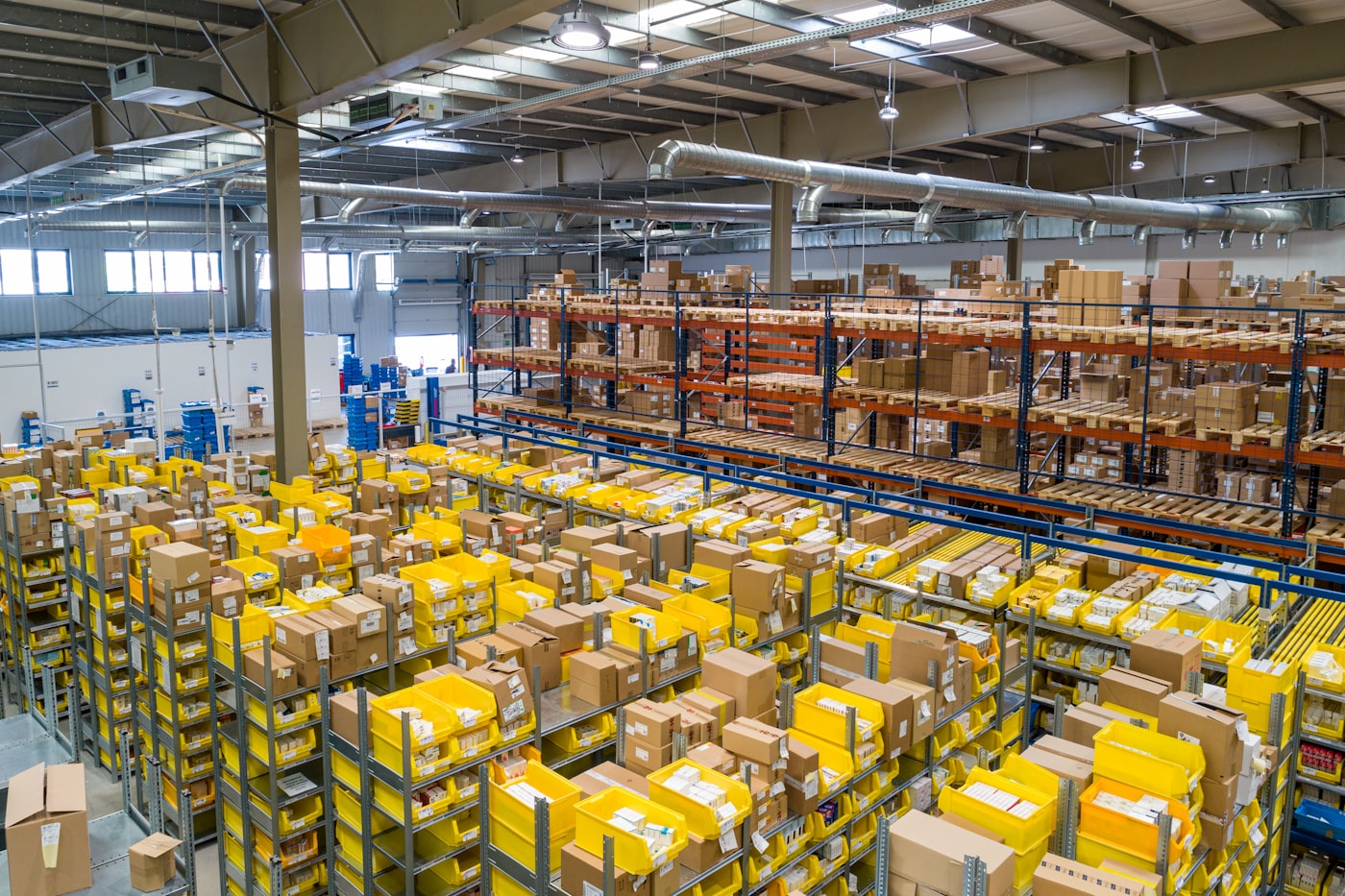

Suitable cargo types
FAQ
Most general cargo moves in 20’ or 40’ dry vans. High-cube is preferred when volume, not weight, is the constraint.
Subject to depot stock. We will say immediately if the requested setpoint and plug availability cannot be met.
We assess open-top or flat-rack equipment and, if needed, move the file onto heavy-cargo planning.
Related services

Ocean Freight
FCL and LCL sailings on major east-west and north-south trades, with named coordinators, cut-off control, and vessel-level visibility.
View service details →

Air Freight
Airport-to-airport and door-to-airport priority cargo when the commercial window cannot wait for a sailing.
View service details →

Gold Shipping
Secure movement of physical gold and high-value items from intake through clearance, with a tracking number issued only when operations accepts the request.
View service details →
Book Container Shipping
Share your lane and cargo details. Operations will return routing, transit, and pricing.